Chapter 10: Fitness
The muscles that make up the core play a central role in everything you do. Every movement you make stems from your core, since every muscle in your body is directly or indirectly connected to the ones in the core. From everyday tasks like tying your shoes and cleaning to heavy lifting and getting bouncy on the court, you use the muscles in your core, primarily the deep back and abdominal muscles that attach to the spine and pelvis.

The book states, “A strong core is also vital to balance and stability.” If you ever watched Kyrie finish those up and under lays through contact, you saw first hand what a healthy core can do. The stronger that muscle group is, the less likely you are to be knocked off course.

Strong core muscles also help improve posture. If your core is weak, you are more likely to slouch over, since you have to work harder to keep yourself upright. Training to have good posture is better for your spine, will yield reduced lower back pain and grant you the ability to breathe more easily.
The book also talks about how, “Yoga, Tai Chi, and Pilates have become increasingly popular in the United States.” All three of these forms of exercise have the potential to improve core strength, flexibility, balance, coordination, and agility. They also develop the mind–body connection through concentration on breathing and body position. My friends, with whom I play weekly basketball pickup games, chirped me more than a little when I told them I took a Pilates class. However, I found that I was faster, stronger and made more vertical plays on both ends of the court after including Pilates into my workout regiment, and in combination with a diet of cleaner, high protein, and organic food, I simply feel like I am reaching a more optimal overall performance level.

The book states, “most cancer epidemiologists believe that 25 to 37 percent of cancers can be avoided by healthier lifestyle and environmental choices.” I found this interesting because it motivates me to work on my diet and my goal for this class, as well as being a great segue into the next chapter.
Chapter 11: Cancer and Cardiovascular Disease (CVD)
Anyone can develop cancer at any age or time. However, according the National Institutes of Health (NIH) nearly 78 percent of cancers are diagnosed at age 55 and above. My aunt, who was in perfect health, exercised daily, and didn’t smoke has recently been afflicted at 60 years old with an aggressive form of the blood cancer, multiple myeloma. However, and I am not blaming the victim here, she never ate organically until her diagnosis. (Please see next paragraph for NIH citation linking pesticides to multiple myeloma.) The book states that “Lifetime risk refers to the probability that an individual, over the course of a lifetime, will develop cancer or die from it. In the United States, men have a lifetime risk of about 42 percent, while women have a 33 percent risk.” I find this a daunting and interesting statistic. I wonder if this rise is caused by our collective diminished immune system health due to stress and/or prolonged exposure to exterior causes such as environmental toxins in the food chain. These numbers and watching my aunt battle this disease really motivate me to work more towards my goal of clean eating.

Relating back to my health goal, the book states that, “Much of the concern about chemicals in food centers on possible harm from pesticide and herbicide residue.” This is intriguing because it relates back to my 4,5,6 blog where I talked about chemical runoff and its detrimental health affects. Again, according to the NIH, “Multiple myeloma (MM) has been consistently linked with agricultural activities, including farming and pesticide exposures.” Continued research is essential, and scientists and consumer groups need to reinforce the importance of an equilibrium between chemical use and the production of high-quality food products. For the time being, I will err on the side of caution and continue to eat organically and lower on the food chain.
Cardiovascular Disease
There are some things you just can’t do anything about regarding CVD. For example, I have several non-modifiable risk factors. I am male, my grandfather had a quituple bypass surgery, and I genetically have a tendency towards high serum cholesterol. However, as the text lists, there are several modifiable risk factors which lend support to my goal.
“Research continues into dietary modifications that may affect heart health. The National Heart, Lung, and Blood Institute’s DASH eating plan has strong evidence to back up its claims of reducing CVD risk. Eating recommendations include the following:
- Eat lots of fiber—5 to 10 milligrams per day of soluble fiber, from sources such as oat bran, fruits, vegetables, legumes, and psyllium seeds.
- Consume about 2 grams per day of plant sterols, which are present in many fruits, vegetables, nuts, seeds, cereals, legumes, vegetable oils, and other plant sources.
- Cut down on dietary sodium. Table salt is typically about 40 percent sodium. Excess sodium has been linked to high blood pressure, which can affect CVD risk. Sodium is hidden in many popular foods; amounts of sodium in breads, pasta sauces, pizza, pastry, processed meats such as hotdogs, and some ethnic foods are extremely high.
Several foods, including fish that is high in omega-3 fatty acids, olive oil, whole grains, nuts, green tea, and dark chocolate, have been shown to reduce the chances that cholesterol will be absorbed in the cells, reduce levels of LDL cholesterol, or enhance the protective effects of HDL cholesterol.54“
Clearly many of the choices listed above are right in keeping with modifying my risk for CVD and with my goal for the course. I am thinking right now about a black bean burger with tahini, cilantro, avocado, onion and arugula, and my heart is okay with that! With a little imagination, healthy food can also be very tasty.
Chapter 12: Infectious disease
This chapter spoke about infectious conditions and the antibiotic resistance crises. The NIH states, “The rapid emergence of resistant bacteria is occurring worldwide, endangering the efficacy of antibiotics, which have transformed medicine and saved millions of lives. Many decades after the first patients were treated with antibiotics, bacterial infections have again become a threat. The antibiotic resistance crisis has been attributed to the overuse and misuse of these medications, as well as a lack of new drug development by the pharmaceutical industry due to reduced economic incentives and challenging regulatory requirements.” I found it poignant that in typical human fashion, the solution we created to fix a problem was so misused that it actually exacerbated the problem. This issue has many prongs but the main problem of the overuse of antibiotics in food production, which directly relates to my goal.

As stated in the text, “About 70 percent of antibiotics produced today are ingested by animals or fish living in crowded feedlots or fish farms to encourage their growth and fight off disease. Water runoff and sewage from feedlots can contaminate the water in rivers and streams with antibiotics. Antibiotic-resistant bacteria may also spread beyond farms via dried particles of animal manure that disperse in the wind.” This echos what I wrote about in blog 4,5,6; specifically regarding agricultural runoff, which provides an environment in which bio accumulation of antibiotics promote negative and unintended consequences such as increasing the populations of antibiotic resistant bacterial strains.
The improper use of antibiotics by humans coupled with the contamination of waterways and soil through agricultural run-off yields a recipe for disaster. Furthermore, people dumping their unused prescription drugs down the toilet or tossing them into the garbage add to the biochemical chaos. The text cites the Centers for Disease Control (CDC) as follows: “one-third to one-half of the 150 million antibiotic prescriptions written each year are unnecessary, resulting in bacterial strains that are tougher than the drugs used to fight them.” Growing awareness of the problem has led patients and doctors to be more careful in their requests for and dispersal of antibiotics, but more has to be done if we want to improve our situation. Moreover, the agricultural component clearly needs to be addressed. I guess that I am doing my small part by buying organic meats because these are also raised free of antibiotics.
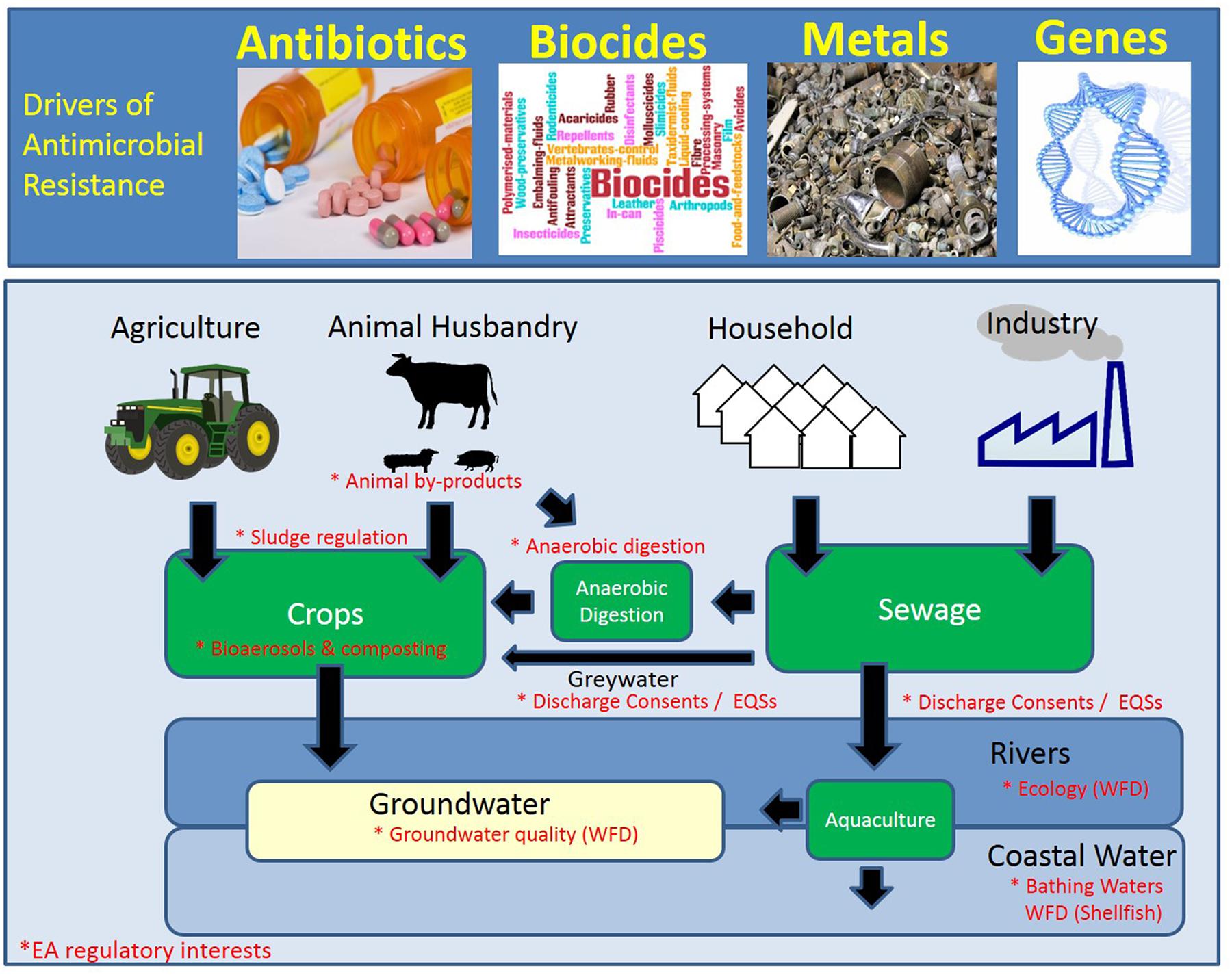
It is in large part up to doctors and pharmaceutical companies to take a cut in revenue (AKA growing their businesses more responsibly) by decreasing the flow of excess pill production. It is also up to us to avoid food that has been treated with antibiotics and unnecessary antibiotic use. We can start by purchasing organic meat and poultry, particularly products with labels that say that they have not been fed antibiotics or hormones. If you buy farmed fish, choose fish grown in U.S. coastal waters, where there is less likelihood of questionable fish-feeding practices and less chance of contaminated water and antibiotics or growth hormones. In conclusion, the best way to reduce the growth of resistant bacteria is to join me in at least part of my health goal. By decreasing meat consumption, where the mishandling and misuse of antibiotics in livestock can lead to bacterial pandemics like mad cow disease or swine flu, you are becoming part of the solution.
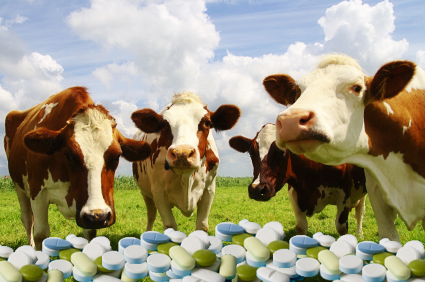
-Travi$ Scott but also these cows

 Max's summer health and wellness exposé