Chapters 13, 14, 15,

We live in a world obsessed with multitasking.

People are watching TV while texting their friends while uploading photos of their meal while tweeting about the NBA free agency. Although productive multitasking can be viewed as a skill, it becomes a problem for people when can’t disconnect and get to the point where they will even multitask behind the wheel of a car.

oof

The Department Of Transit defines distracted driving as any non-driving activity someone does while driving that could potentially distract them and raise the risk of crashing. Texting and talking on the phone fall into this category, but so does, being under the influence of a substance, spending forever picking something to bump out the aux, heck I was on route 110 today and saw a dude shaving.

The book states that “Distracted driving kills at least over 3.000 people per year and injures and over 420,000 more drunk and drugged driving.” To me, this is troublesome but believable. I hope we can all attempt to focus on things, one thing at a time and prioritize tasks for the safety of others. The most concerning issue of distracted driving is drugged or drunk driving as the book states “Driving under the influence of alcohol greatly increases the risk of being involved in a motor vehicle crash. Of all drivers between the ages of 21 and 24 involved in fatal crashes, nearly 1 out of 3 were legally drunk.” I’ve known plenty of people who have lost either their life or livelihood from this mal-advised practice and am advising you to avoid it at all cost.

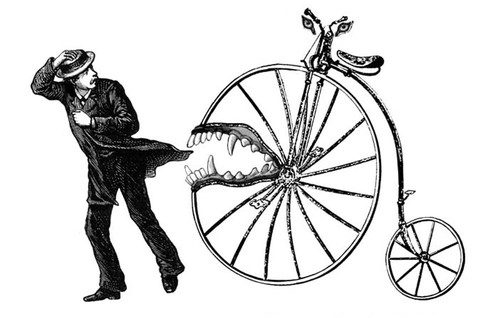
As much as I love cursing out those spandex clad bikers damn near straddling the double yellows when they have a perfectly good bike lane, they are worthy of life so put everything else down, and just drive. The book states “The NHTSA reports that 818 bicyclists died in traffic collisions in 2015, and 45,000 were injured. 74 Most fatal collisions occur at nonintersections (60 percent) between 4:00 p.m. and midnight. Alcohol plays a significant role in bicycle deaths and injuries; in about one-third of all fatal crashes between motor vehicles and bicycles, either the driver or the cyclist was drunk.” As much as I tease cyclists, I think it is crucial that we watch out for bikers as they get to point A to point B while lowering their carbon footprint.

relax lance…

In conclusion, whatever you are doing besides driving, it can wait as your life and that of others are worth more than whatever fomo you incur. This technologically-induced distractibility doesn’t relate too well with my goal of eating healthier but I suppose it keeps me from mowing a pulled pork sammy sosa with that Carolina gold while Im driving and should be focused on the road.

Chapter 14

The quote from the book that rattled me the most was when the text cited that “Zen master Thich Nhat Hanh has described humans living in a rapidly deteriorating planet as ‘a group of chickens fighting desperately over a few seeds of grain, unaware that in a few hours, they will all be killed.”’ This is a perfect depiction of our current socio-economic climate in that it revolves around the ideology as Rza’s sings, “Bottom line, we ‘bout that bottom line”. Rather than focusing on undoing the crimes of the times; environmental degradation through single use plastics, non-renewable energy use, and unsustainable farming practices, we scrape out what we can and look away from the long term consequences. In this life, however, there is no rewind, so I suggest that you try to spend your time wisely before you meet your demise. See what you can do for your community. Go clean up the beach or a local park. Be more mindful of your carbon foot-print and consumption habits. Meanwhile, the Meatless Mondays group explains why my goal is beneficial to the greater environmental health of the planet. They show Environmental Protection Agency (EPA) statistics about going meatless for one day a week. This one got me thinking: If all the people sign up for Meatless Mondays and/or gardein followers substituted out a hamburger for a veggie burger every Monday for one year we would save enough energy to charge 10 billion smartphones. 

love those veggies!

Clearly, small changes done by lots of people can have a huge impact. I also liked how this chapter related back to my health goal, especially when it talked about runoff in section 14.5. “Many other toxic substances also flow into our waterways. Point source pollutants enter a waterway at a specific location such as a ditch or pipe; the two major entry points are sewage treatment plants and industrial facilities. Nonpoint source pollutants—runoff and sedimentation—drain or seep into waterways from soil erosion and sedimentation, construction wastes, pesticide and fertilizer runoff, street runoff, acid mine drainage, wastes from engineering projects, leakage from septic tanks, and sewage sludge”. This is very concerning because as our waterways get more polluted, our fish and drinkable water become even more contaminated which in turn contaminates us.

So what can you do? I recommend bringing your own reusable, washable grocery bags to the store, buy foods that are produced sustainably or organically or foods produced with fewer chemicals and pesticides or by eating more vegetables and nuts, legumes, and other food crops and reducing consumption of meat, dairy, and animal products, thus lessening your carbon, water, and pollutant footprints. In other words, people, let’s stop stomping on the planet. 

Another point that I found important was the idea of becoming more of a locavore. By purchasing locally produced foods you can reduce pollutants associated with transporting food long distances and greenhouse gases as well. The other benefit of eating local is that often the food is super fresh. The eggs from the farm around the corner from where I live are amazing!


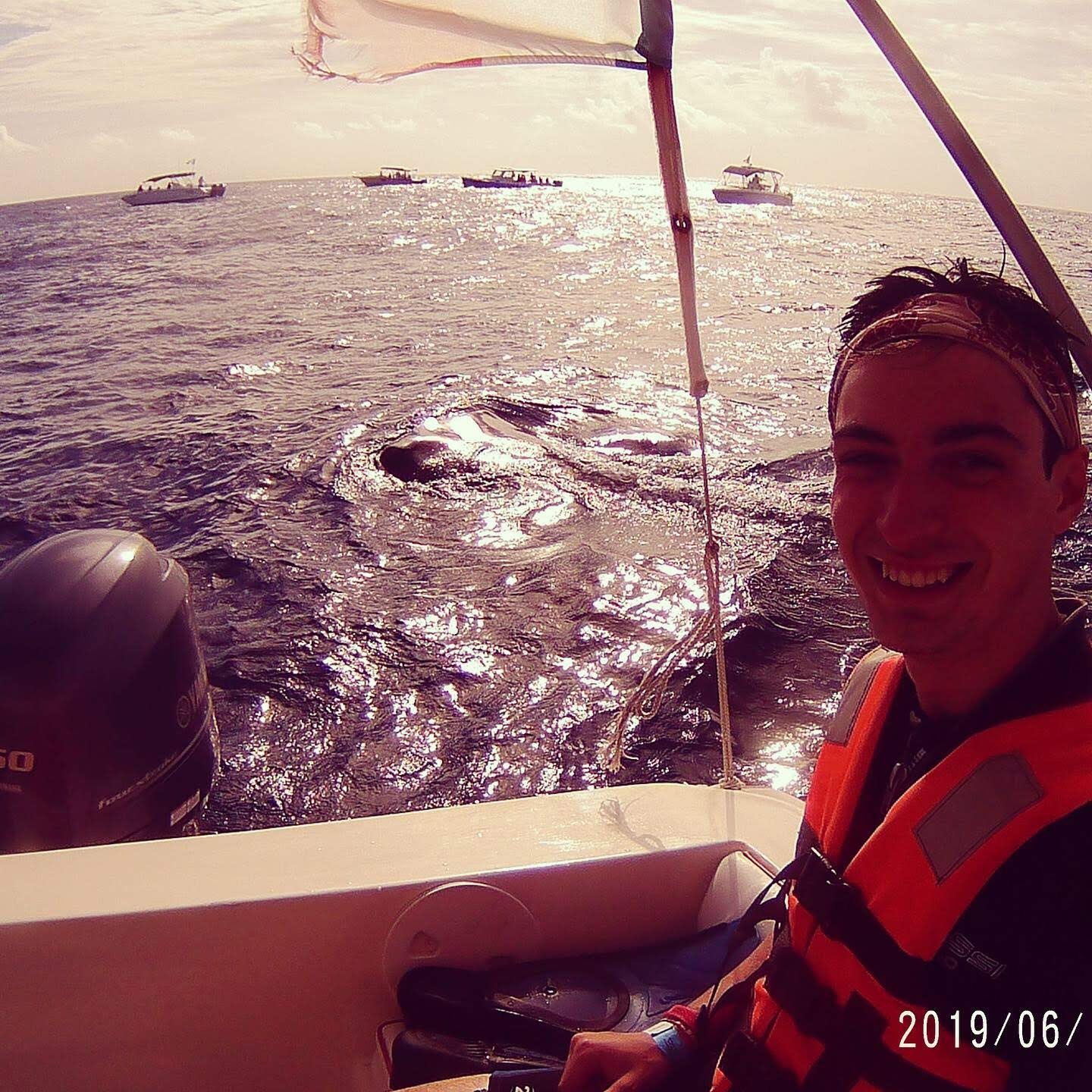
I agree with the authors of this book, who recommend a decrease in the use of single-use plastic by saying, “Do not buy plastic bottles of water. Purchase a hard plastic or stainless steel water bottle, and fill it from a filtered source.” Last month, while traveling in Mexico, I was able to swim with whale sharks where the Gulf of Mexico and the Carribean sea meet. The tour guides were very strict about the environmental impact of these tours and have a great respect for the animals and our shared habitat. Mexicans seem to realize that their tourist industry is heavily based on the health of the natural environment. There is a natural resource tax that all hotel guests must pay (about 20 pesos or $1.00/day). Most tour companies now require that you use the most stringently monitored coral-safe sunscreen and absolutely no single use plastic bottles. Good for them. They seem to understand what Tony Juniper who writes for The Guardian says about the relationship between the environment and the economy, “Nature is not a drag on growth – its protection is an unavoidable prerequisite for sustaining economic development.” In conclusion, the most important thing you can do is to plan well, attempt small sustainable steps like attempting to reduce food waste and/or eating cleaner and low on the food chain.  
Chapter 15

The quote I related to strongly in the chapter was the first thing I saw “As the health care industry has become more sophisticated in seeking your business, so must you become more sophisticated in purchasing its products and services. Acting responsibly in times of illness can be difficult, but the person best able to act on your behalf is you.” It is easy to ignore your health problems and that can exacerbate them so you must learn to self-advocate.  However, as the system becomes so sophisticated and although it is supposedly not for profit, it can’t hurt to have friends and family who are knowledgeable and who are able to stream-line processes, help you avoid unnecessary tests and procedures, and expedite your treatment and your return to good health. My goal for this class epitomizes the old axiom, “An ounce of prevention is worth a pound of cure.”  
Self care is also an important part of keeping yourself together mentally, physically, and spiritually. In the book they describe self care as “Practicing behaviors that promote health and prevent disease can minimize your reliance on the formal medical system. Self-care consists of knowing your body, paying attention to its signals, and taking appropriate action to stop the progression of illness or injury.” It is important to avoid classifying negative behaviors such as “retail therapy”, “liquid therapy” and so called comfort foods as self care because these may just be masking or exacerbating a mental or physical health problem. A healthy form of self care can be found utilizing the holistic method. The book qualifies the holistic method as “care that focuses on the mind and the whole body rather than just an isolated symptom or body part. They may also desire an approach to healing that allows them a measure of control. Mindfulness meditation, for example, has been shown to increase patients’ sense of control over their symptoms and treatment and, as a result, to reduce individual health care utilization.” It is important to mix in alternative forms of treatment like this as I truly believe burning sage has rid the evil spirits and their bad vibes from my house. Okay, seriously though, I believe that fish oils are great for your skin, ginseng is nice for maintaining a calm focus for schoolwork, and B6-12 tabs are a great help with stress relief.

I also think that you should try to avoid using steroids for skin issues if you can, because it will runoff from your shower drain and either pollute the fish population or make them strong and smart enough to use tools to build a rival underwater society that will eventually take over and control of all of the water purification facilities where we will be forced to work just to maintain our right to breathe. But in due time we will overthrow our aquatic overlords and retake the aqueduct! FOR GAIAAA!!

You may be thinking, why is this foil-hat wearing man yelling this nonsense near me? Although this is clearly hyperbole, some version of this could be in our future if we don’t start reducing our global footprint. In conclusion your health and the health of the ecosphere that you inhabit are in your hands and it is up to you to find your own sustainable way to make positive changes. I am for now, going to continue to work towards my goals; eating organically and lower on the food chain.

 It’s been a pleasure y’all.

Chapters 10, 11, 12 Down with the Sickness

Chapter 10: Fitness

The muscles that make up the core play a central role in everything you do. Every movement you make stems from your core, since every muscle in your body is directly or indirectly connected to the ones in the core. From everyday tasks like tying your shoes and cleaning to heavy lifting and getting bouncy on the court, you use the muscles in your core, primarily the deep back and abdominal muscles that attach to the spine and pelvis.

The book states, “A strong core is also vital to balance and stability.” If you ever watched Kyrie finish those up and under lays through contact, you saw first hand what a healthy core can do. The stronger that muscle group is, the less likely you are to be knocked off course.

Strong core muscles also help improve posture. If your core is weak, you are more likely to slouch over, since you have to work harder to keep yourself upright. Training to have good posture is better for your spine, will yield reduced lower back pain and grant you the ability to breathe more easily.

The book also talks about how, “Yoga, Tai Chi, and Pilates have become increasingly popular in the United States.” All three of these forms of exercise have the potential to improve core strength, flexibility, balance, coordination, and agility. They also develop the mind–body connection through concentration on breathing and body position. My friends, with whom I play weekly basketball pickup games, chirped me more than a little when I told them I took a Pilates class. However, I found that I was faster, stronger and made more vertical plays on both ends of the court after including Pilates into my workout regiment, and in combination with a diet of cleaner, high protein, and organic food, I simply feel like I am reaching a more optimal overall performance level.

LeBron doing yoga.

The book states, “most cancer epidemiologists believe that 25 to 37 percent of cancers can be avoided by healthier lifestyle and environmental choices.” I found this interesting because it motivates me to work on my diet and my goal for this class, as well as being a great segue into the next chapter.

Chapter 11: Cancer and Cardiovascular Disease (CVD)

Anyone can develop cancer at any age or time. However, according the National Institutes of Health (NIH) nearly 78 percent of cancers are diagnosed at age 55 and above. My aunt, who was in perfect health, exercised daily, and didn’t smoke has recently been afflicted at 60 years old with an aggressive form of the blood cancer, multiple myeloma. However, and I am not blaming the victim here, she never ate organically until her diagnosis. (Please see next paragraph for NIH citation linking pesticides to multiple myeloma.) The book states that “Lifetime risk refers to the probability that an individual, over the course of a lifetime, will develop cancer or die from it. In the United States, men have a lifetime risk of about 42 percent, while women have a 33 percent risk.” I find this a daunting and interesting statistic. I wonder if this rise is caused by our collective diminished immune system health due to stress and/or prolonged exposure to exterior causes such as environmental toxins in the food chain. These numbers and watching my aunt battle this disease really motivate me to work more towards my goal of clean eating.

Relating back to my health goal, the book states that, “Much of the concern about chemicals in food centers on possible harm from pesticide and herbicide residue.” This is intriguing because it relates back to my 4,5,6 blog where I talked about chemical runoff and its detrimental health affects. Again, according to the NIH, “Multiple myeloma (MM) has been consistently linked with agricultural activities, including farming and pesticide exposures.” Continued research is essential, and scientists and consumer groups need to reinforce the importance of an equilibrium between chemical use and the production of high-quality food products. For the time being, I will err on the side of caution and continue to eat organically and lower on the food chain.

Cardiovascular Disease

There are some things you just can’t do anything about regarding CVD. For example, I have several non-modifiable risk factors. I am male, my grandfather had a quituple bypass surgery, and I genetically have a tendency towards high serum cholesterol. However, as the text lists, there are several modifiable risk factors which lend support to my goal.

“Research continues into dietary modifications that may affect heart health. The National Heart, Lung, and Blood Institute’s DASH eating plan has strong evidence to back up its claims of reducing CVD risk. Eating recommendations include the following:

  • Eat lots of fiber—5 to 10 milligrams per day of soluble fiber, from sources such as oat bran, fruits, vegetables, legumes, and psyllium seeds.
  • Consume about 2 grams per day of plant sterols, which are present in many fruits, vegetables, nuts, seeds, cereals, legumes, vegetable oils, and other plant sources.
  • Cut down on dietary sodium. Table salt is typically about 40 percent sodium. Excess sodium has been linked to high blood pressure, which can affect CVD risk. Sodium is hidden in many popular foods; amounts of sodium in breads, pasta sauces, pizza, pastry, processed meats such as hotdogs, and some ethnic foods are extremely high.

Several foods, including fish that is high in omega-3 fatty acids, olive oil, whole grains, nuts, green tea, and dark chocolate, have been shown to reduce the chances that cholesterol will be absorbed in the cells, reduce levels of LDL cholesterol, or enhance the protective effects of HDL cholesterol.54

Clearly many of the choices listed above are right in keeping with modifying my risk for CVD and with my goal for the course. I am thinking right now about a black bean burger with tahini, cilantro, avocado, onion and arugula, and my heart is okay with that! With a little imagination, healthy food can also be very tasty.

Chapter 12: Infectious disease

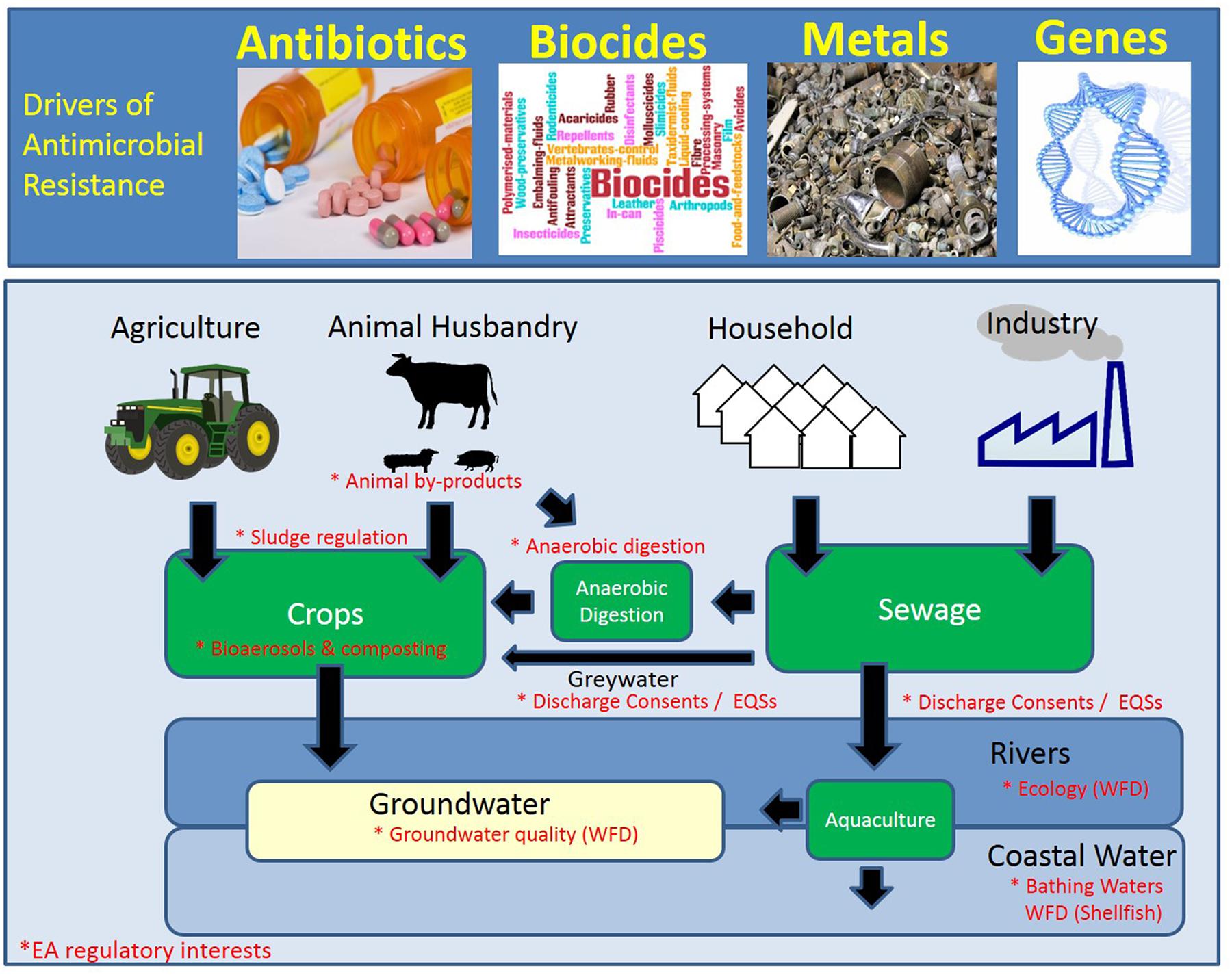
This chapter spoke about infectious conditions and the antibiotic resistance crises. The NIH states, “The rapid emergence of resistant bacteria is occurring worldwide, endangering the efficacy of antibiotics, which have transformed medicine and saved millions of lives. Many decades after the first patients were treated with antibiotics, bacterial infections have again become a threat. The antibiotic resistance crisis has been attributed to the overuse and misuse of these medications, as well as a lack of new drug development by the pharmaceutical industry due to reduced economic incentives and challenging regulatory requirements.” I found it poignant that in typical human fashion, the solution we created to fix a problem was so misused that it actually exacerbated the problem. This issue has many prongs but the main problem of the overuse of antibiotics in food production, which directly relates to my goal.

As stated in the text, “About 70 percent of antibiotics produced today are ingested by animals or fish living in crowded feedlots or fish farms to encourage their growth and fight off disease. Water runoff and sewage from feedlots can contaminate the water in rivers and streams with antibiotics. Antibiotic-resistant bacteria may also spread beyond farms via dried particles of animal manure that disperse in the wind.” This echos what I wrote about in blog 4,5,6; specifically regarding agricultural runoff, which provides an environment in which bio accumulation of antibiotics promote negative and unintended consequences such as increasing the populations of antibiotic resistant bacterial strains.

The improper use of antibiotics by humans coupled with the contamination of waterways and soil through agricultural run-off yields a recipe for disaster. Furthermore, people dumping their unused prescription drugs down the toilet or tossing them into the garbage add to the biochemical chaos. The text cites the Centers for Disease Control (CDC) as follows: “one-third to one-half of the 150 million antibiotic prescriptions written each year are unnecessary, resulting in bacterial strains that are tougher than the drugs used to fight them.” Growing awareness of the problem has led patients and doctors to be more careful in their requests for and dispersal of antibiotics, but more has to be done if we want to improve our situation. Moreover, the agricultural component clearly needs to be addressed. I guess that I am doing my small part by buying organic meats because these are also raised free of antibiotics.

It is in large part up to doctors and pharmaceutical companies to take a cut in revenue (AKA growing their businesses more responsibly) by decreasing the flow of excess pill production. It is also up to us to avoid food that has been treated with antibiotics and unnecessary antibiotic use. We can start by purchasing organic meat and poultry, particularly products with labels that say that they have not been fed antibiotics or hormones. If you buy farmed fish, choose fish grown in U.S. coastal waters, where there is less likelihood of questionable fish-feeding practices and less chance of contaminated water and antibiotics or growth hormones. In conclusion, the best way to reduce the growth of resistant bacteria is to join me in at least part of my health goal. By decreasing meat consumption, where the mishandling and misuse of antibiotics in livestock can lead to bacterial pandemics like mad cow disease or swine flu, you are becoming part of the solution.

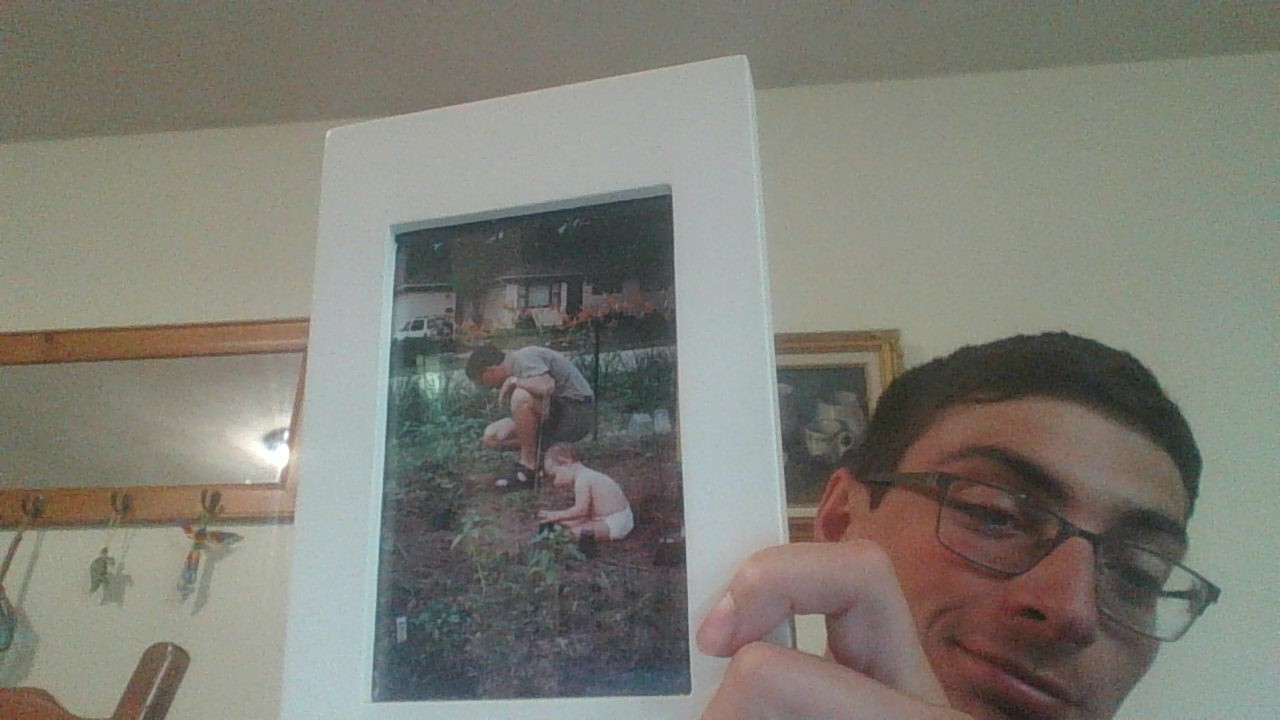
Been growing my own since I was a toddler.

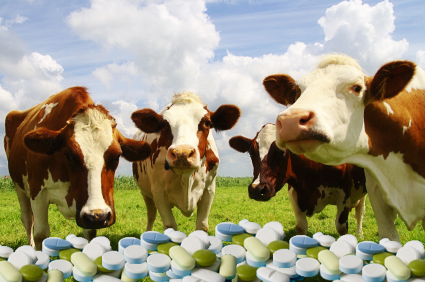
“Poppin Pills is all we know”
-Travi$ Scott but also these cows

Healthy Consumption

Chapter 7: Alcohol and Tobacco4qsu3b

In a study done by the FDA researchers, they found moderate drinking yielded reduced risk of coronary artery disease, most likely as a result of an increase in high-density lipoproteins (HDLs), or “good” cholesterol. However, alcohol consumption causes many more cardiovascular health hazards than benefits, contributing to high blood pressure and slightly increased heart rate and cardiac output. I find this interesting as in relation to my health goal of eating more vegetarian and organic foods because buying organically grown beer (such as Lagunitas) and/or wine (El bero) may help with cardiovascular health as well as reducing the bio-accumulation of pesticides and hormones. In a study conducted in China, the researchers found that moderate drinking slightly raised the risk of stroke and high blood pressure, with reduced risk of coronary artery disease, most likely as a result of an increase in high-density lipoproteins (HDLs), or “good” cholesterol. However, alcohol consumption causes many more cardiovascular health hazards than benefits, contributing to high blood pressure and slightly increased heart rate and cardiac output. So if you are going to drink for your cardiac health, be wary of how your drinks are produced as well as your consumption levels.

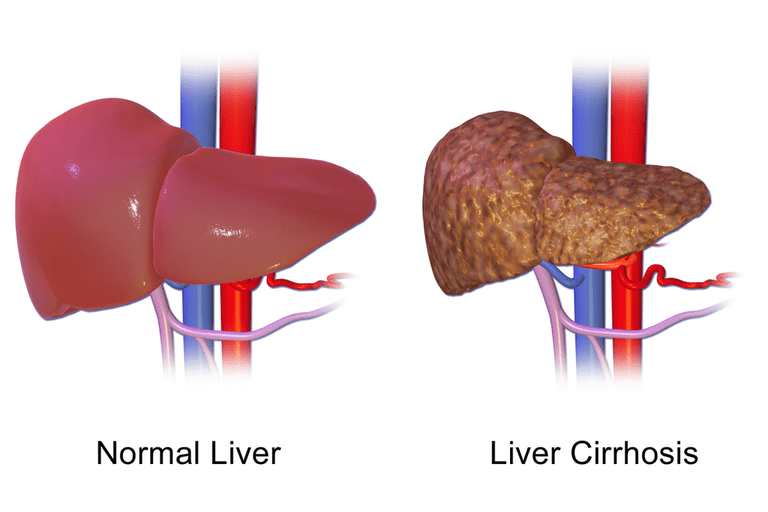
One of the most common diseases related to alcohol abuse is cirrhosis of the liver. With heavy drinking, the liver begins to store fat which makes the fat-filled hepatocytes or liver cells stop functioning. The book states, “Continued drinking can cause fibrosis, in which the liver develops fibrous scar tissue. If the person continues to drink, cirrhosis results—the liver cells die, and the damage becomes permanent.” I would not be surprised if it becomes a prevalent health issue in the future for our generation that tends to bond with binge-drinking, or just purely from *4LOKO consumption.

*Contains high levels of caffeine and alcohol

The book states, “Approximately 40 percent of all college students engage in binge drinking, consuming five or more drinks (men) or four or more drinks (women) in about 2 hours.”  Drinking in excess can reroute you from a good time to a state of extreme intoxication, unconsciousness, alcohol poisoning, and in the worse case, death. I mean how many times have you seen some freshman get med-evacuated out of Shea-Durgin. Honestly when I was on campus I felt like the only time people reached out to spend time with me was to drink in excess. At the time this seemed like a quality bonding experience but most of these so-called bonds were hollower than the bottles we ran through, simply revolving around substances rather than actual substantial relationship.

People over-drink for many different reasons. Some equate their new-found independence from their parents with alcohol use. Others find solace in drinking together, and some simply drink to get drunk. As some one who is primarily introverted, I tended to drink as a way of coping with social stress and anxiety, but it evolved to where I was just drinking out of boredom.

How To Cut Down On Your Drinking

If you suspect that you drink too much, talk with a counselor or clinician at your student health center. THIS IS NOT EASY! As a bull-nosed and stubborn double Taurus, the absolute last thing I wanted to do was admit I needed help. Health professionals can tell you whether you should cut down or abstain completely. However its up to you to actually listen and follow through.

If you need to cut down on your drinking, these steps outlined in the text can help:

  • Write your reasons for cutting down or stopping.” There are many reasons you may want to cut down or stop drinking. You might want to improve your health, sleep better, or get along better with your family or friends. Personally I felt like my time, energy, and dollars were better spent outside of greasy basements getting wasted with other drunks.
  • Keep little or no alcohol at home.” When I initially started to avoid/cutoff dead-end relationships, I figured my dependence would decline, but instead I would just isolate myself and drink and or drug alone.
  • Drink slowly.” If and when you drink, pace your self. Bring some water with you and be conscious of your level intoxication. This is easier said then done especially because at certain levels of intoxication, a double shot of Resposado tequila goes down like water.
  • Learn how to say no.” You do not have to drink when other people are drinking and stay away from people who chirp you about not drinking.
  • Stay active.” Use the time and money you once spent on drinking and spend it with your family or friends. Go out to eat, see a movie or a concert, join a band or go on vacation.
  • Get support.” Trust me, cutting down is tough. Asking for support from your family and friends to help you reach your goal is hard but rewarding. Don’t be afraid to talk to your counselor if you continue having trouble cutting down.
  • Remember, don’t give up!” Most people don’t cut down or give up drinking all at once. As with a diet, it is not easy to change. If you don’t reach your goal the first time, it’s OKAY. Remember why you are making the change and why you want to avoid falling back into the hole from which you just climbed out.

Chapter 8 Nutrition

The Book recommends, “9 cups of total water from all beverages and foods each day and an average of 13 cups for men.” I always considered that 8 was enough but now I recognize the need to increase my input. However, I do consume a lot of fruit and vegetables and those consist of 80 to 95 percent water so that might make up some loss ground.

The book states, “Common reasons for pursuing a vegetarian lifestyle include concern for animal welfare, the environmental costs of meat production, food safety, personal health, weight loss, and weight maintenance.” This correlates with my health goal of consuming less meat-based meals in order to prevent the bio-accumulation of pesticides and hormones. Another reason I’m following through with this health goal is that people who follow a balanced vegetarian diet weigh less and have better cholesterol levels, fewer problems with constipation and diarrhea, and a lower risk of heart disease than do non vegetarians. However I am not perfect as I bodied more than my fair share of Mill City and Salvage barbecue this summer.

When my family and I cook at home, we work with a majority of organic foods. It costs more but its worth pinching some pennies in other budget areas in order to eat cleaner. The book states that, “Common reasons why people choose to buy organic foods include preferring the taste and wanting to limit exposure to pesticides and food additives. Some people purchase organic products because of environmental concerns, since organic farming limits pesticide use and takes other measures to reduce pollution.” This quote reinforces our decision to eat organic as a way to enhance our personal health as well as our environmental health. 

Chapter 9 Weight management and body image.

Something I have always tried to work on was gaining weight. I have always had a super active metabolism and tend to exercise a fair amount. I eat a lot of clean protein such as rice and beans, almond butter and jam and responsibly farmed fish, as well as healthy fats from avocado or hummus but I hope to use more vegan foods to bulk up. The book recommends that “You may aim to gain as much as a pound per week, which would mean adding up to 500 calories a day to your diet. It is important that these calories be added in the form of energy-dense, nutritious choices from a variety of foods. “I believe I am doing well in my food choices but recognize the need to step it up.

Exercise is crucial for maintaining healthy weight. When you start working out the book recommends “slowly increase your time, speed, distance, or resistance levels and to vary your physical activity.” I practice this and find my most successful workouts occur when I start with low weights with high reps and phase into high weight with low reps. I also think it is crucial to have a rotating schedule and change up your workouts as your muscles regrow faster with different types of exercise than they do when you follow a strict unchanging schedule. Most importantly, you should find activities that you love. My personal preferences are hiking, boarding, kayaking, playing some pickup ball once a week or any outdoor sport.

The last thing I have to say about maintaining body weight revolves around the disconnect that exists between “the media’s idealized images and the typical American body.” As the media tries to sell you “SUPERALPHABEAR” Pre-workouts and proteins promising to get you JACKED IN A DAY or some Slimtea that will make you an “influencer” by Friday night. It is important to recognize that you are fine the way you are, and if you want to make a change to make sure its a healthy gradual one.

In conclusion,

The key to consumption or just about anything in life is moderation and balance.

Drugs, Sex and Run-off

Chapters 4, 5, and 6: Relationships and Sexuality, Reproductive Choices, Addiction and Drug Abuse.

Introduction 

As a young adult, the topics in these three chapters are worthy of consideration in connection with my goal of eating more organic plant-based foods for 3 reasons:

  1. Pesticides and hormones bio-accumulate and bio-magnify as our diets move up the food chain (as pictured below) and can affect sexuality.
  2. The reproductive effects of pesticides were first illustrated in the 1950s by Rachel Carson, who would be posthumously awarded the Presidential Medal of Freedom by President Jimmy Carter, for her extensive research and findings on DDT and eagle egg viability. To me, her work is a cautionary tale regarding reproduction, which is best not to be ignored.
  3. The research on plant based diets and addiction are beginning to be illustrated but as of yet, are loosely and sparsely connected to effective treatments. 
On a whale watch tour in British Columbia, we told that the Orca Whale breast milk is so polluted that most whales do not survive infancy, are therefore are not counted in the biologists’ census until they are at least one year old.


Chapter 4: Relationships and Sexuality

This is the part of the chapter that related the most to my goal for the class and which also made me think hard about how I would answer these questions. “How do you know whether you’re in a healthy relationship? Answering some basic questions can help you determine whether a relationship is working.

  • Do you love and care for yourself to the same extent that you did before the relationship? Can you be yourself in the relationship? Do you feel that you are equals in the relationship?
  • Do you share interests, values, and opinions? Is there mutual respect for, and civil discussion of, differences?
  • Are there genuine caring and goodwill? Are there mutual encouragement and emotional support?
  • Do you trust each other? Are you honest with each other? Can you comfortably express feelings, needs, and desires?
  • Is there room for growth as you both evolve and mature?

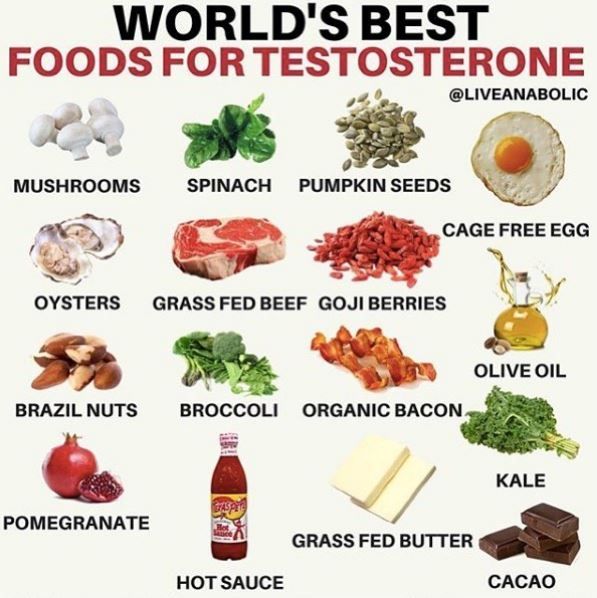
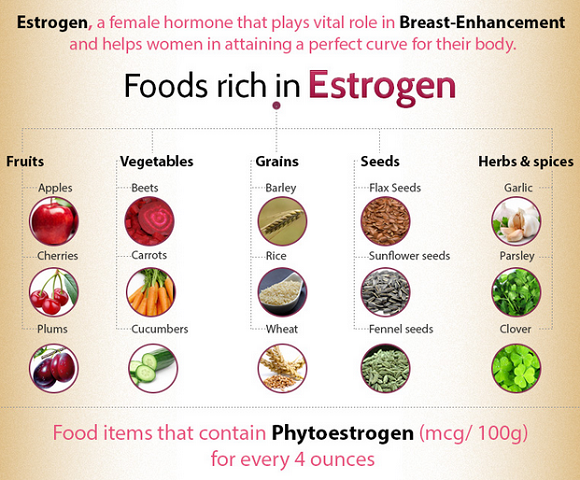
Observing healthy relationships, and learning what mistakes not to make by observing not-so-healthy relationships, I can see that these questions are important to consider when choosing a partner. Meanwhile, getting back to my goal, maintaining a normal and healthy balance of hormones is important for sexuality and therefore, relationships and for a couple, that means putting a lot of energy in to clean eating; maybe even growing and processing your own foods. You must have a shared sense of values to continue to accomplish these the daily activities and the price tags that go with clean eating. In addition, you must continue to recognize, what is good for each person may be very different. Some foods like soy and flax naturally contain high levels of estrogen, in the form of phytoestrogens. Furthermore, according to a Healthline.com article which was medically reviewed by Katherine Marengo, LDN, RD, cruciferous (leafy green) vegetables, mushrooms, red grapes, seed, whole grains, green tea, and pomegranates tend to depress estrogen production and increase testosterone in men. Also, estrogen, estrogen mimics, and estrogenic compounds are ubiquitous pollutants in our food and water, and are considered in detail below.


Wisely selecting and limiting estrogen or testosterone producing foods is likely to facilitate a healthy hormone balance. However, many of the foods readily available and much less expensive to purchase are somewhat paradoxically labeled at Whole Foods, “conventionally grown”. This means they are not certified as organic and more than likely were grown with the use of pesticides and hormones and watered without adequate filtration. To me this labeling system takes a very short view of the history of agriculture.

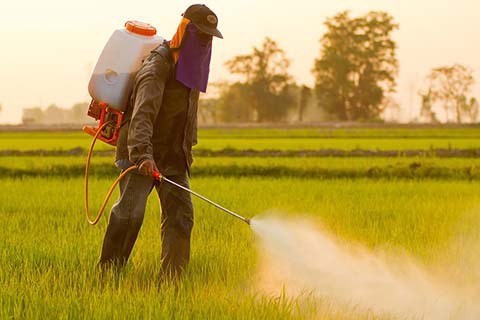
According to several sources including the National Institutes of Health and Scientific American many pesticides commonly used are known to be estrogenic; meaning that although they do not actually contain estrogens, they do artificially promote the production of the female hormone. This is important because we also know that according to a National Geographic report ethinyl estradiol, an environmental estrogen found in birth control pills has been detected in about 85 percent of male Small Mouth bass collected in national wildlife refuges in the Northeastern U.S. .

Not surprisingly, as reported on the ECOWATCH website, the U.S. Geological Survey (USGS) and U.S. Fish and Wildlife Service found “large-scale evidence of intersex in smallmouth and largemouth bass in the Northeast U.S., an indicator of endocrine disruption…{and} The study, published in the journal Ecotoxicology and Environmental Safety, looks at 19 U.S. National Wildlife Refuges and is the first reconnaissance survey of this scope. The study found that the prevalence of testicular oocytes across all samples was 85 percent and 27 percent for male small- and largemouth bass, respectively.” The report goes on to say that although the source of the estrogenic compounds may be hard to pinpoint because there are many sources (agriculture run-off, hormone therapies, herbicides, and pesticides) environmental pollutants that either are, mimic or promote production of sex hormones are the suspected culprits. Furthermore many non-malignant but problematic fibroid cysts as well as certain uterine and breast cancers are more active with increased estrogen levels. 


pesticides
I’m too sexy for my mask, too sexy…


5 suggested action items:

  1. Be diligent in identifying the impact what you eat and drink have on your personal ecosystem; E.g., your body.
  2. Consider and research different foods and how they are produced.
  3. Filter your water. I recommend a reverse osmosis system to remove pharmaceuticals and pesticides.
  4. Grow your own food and use compost for fertilizer.
  5. Invent an environmentally friendly way yo grow great tasting food for the entire population of the plant. This is kind of a big ask, eh?

Although much of this chapter was difficult to tie in to my goal, the idea of gender roles is still a worthwhile discussion point. As the text points out, “Throughout history, women and men have taken on various roles in relationships. Modern American society has very few gender-specific roles; many couples find that it makes more sense to divide tasks according to convenience and preference. Others still believe that there are women’s roles and men’s roles. Problems arise when couples do not share the same view. Regardless of what the perception of modern roles may be, facts show a different picture. While many women work as many hours outside the home as men, the division of labor at home is rarely equal. The Bureau of Labor Statistics estimates that on a typical day, 50 percent of women do household chores such as cleaning or laundry, where the same is true of only 22 percent of men; while 70 percent of women prepare food or clean up afterward, only 43 percent of men do those tasks.9 Over time, if couples can’t communicate about this, the relationship may suffer.” This is particularly interesting to me because last semester, while studying the history of Latin America and Gender, I realized how varied these roles are from one culture to another. In fact, one group in Latin America, the Oaxacans, actually has three gender distinctions; male, female, and muxe. A muxe person is assigned as male or female at birth but dresses or behaves in ways otherwise associated with the other binary gender. Muxe are viewed as a third gender and often did the work typically assigned to either or both binary roles regardless of their dress and affect.

The other thing that I thought was noteworthy from Chapter 4 was the reference to keeping it real when and if on-line dating becomes interesting to you. “When you join an online dating site or use social networks to meet others, it’s important to be honest about yourself and your background. State your own interests and characteristics fairly, including things that you think might be less attractive than stereotypes and cultural norms dictate. Show a recent photo of yourself; not a photoshop creation.” I have always been dis-heartened by the brag-show of social media. Everyone is always doing great things with great people (mostly eating and drinking), and it feels fake. I think the important thing to remember is that everyone is struggling with something, so be brave and share your struggles as well as your celebrations.


Chapter 5: Reproductive Choices

Disclaimer: Although, I am writing about the environmental effects of hormonal birth control methods a lot in this blog, I want to be very clear that I am NOT judging anyone’s choices. I am simply inquiring into how this connects to my goal of eating organic plant-based foods. 

Meanwhile, as mentioned above, many of the foods we eat and the water we drink contain endocrine disrupting chemicals. The National Institute of Health report that the hormones and pesticides in the food chain are directly linked to early puberty, early menses, and obesity. One study reported a delaying effect of dioxin‐like compounds on breast development. In boys, exposure to PCBs, PCDFs or the pesticide endosulfan was associated with delayed puberty or decreased phallic length. Please note: Much of the results found in population studies are in legal accordance with experimental studies in animals.

All of these trends negatively impact reproductive choices by limiting fertility, decreasing the age at which a girl can become pregnant, and making pregnancy more risky. These trends create quite a conundrum. The ethinyl estradiol from birth control pills and the estrogenic compounds used in agriculture lead to a decrease in the age at which a girl becomes fertile. As having a baby is probably not a great plan for a 10-13 year-old, and with certain state governments limiting access to abortions even in cases of rape and incest, there will be increased unwanted child pregnancies. However, using birth control pills further exasperates the situation by adding more environmental estrogen pollution; furthering the vicious cycle. 

The term hormonal contraception refers to birth control containing synthetic estrogen, progestin, or both. These ingredients are similar to the hormones estrogen and progesterone, which a woman’s ovaries produce naturally for the process of ovulation and the menstrual cycle. In recent years, hormonal contraception has become available in a variety of forms (transdermal, injection, and oral).

 Meanwhile, another obvious choice are Barrier methods of contraception {which} work on the principle of preventing sperm from reaching the egg by use of a physical or chemical barrier during intercourse. Some barrier methods prevent semen from having contact with the woman’s body; others prevent sperm from going past the cervix. In addition, many barrier methods contain, or are used in combination with, a substance that kills sperm.” This method comes with its own set of concerns. Barrier methods are not entirely fail-proof, and on a more serious note are almost never used during rape or incest.

In conclusion of the two related topics for Chapters 4 and 5, I don’t know the solution to the problem, and I don’t believe there are any easy answers. However, I whole heatedly believe we should use all the medical and scientific tools that we have at our disposal, such as developing new and less consequential birth control, which in turn should improve physical and mental health. Until we have the perfect answer, I believe communication is the best way to approach this topic with your partner, and I completely agree with what was presented in the text on this subject, “If you are afraid that talking about sex beforehand is going to make your partner think you don’t trust him or her, take some time to examine the strength of your relationship.” Furthermore, I think the most important things you and/or your partner can do are to become educated on sexual health and responsible practice, understand how food and water consumption can affect your reproductive health, communicate what type of future you envision and figure out how to make that plan a reality.


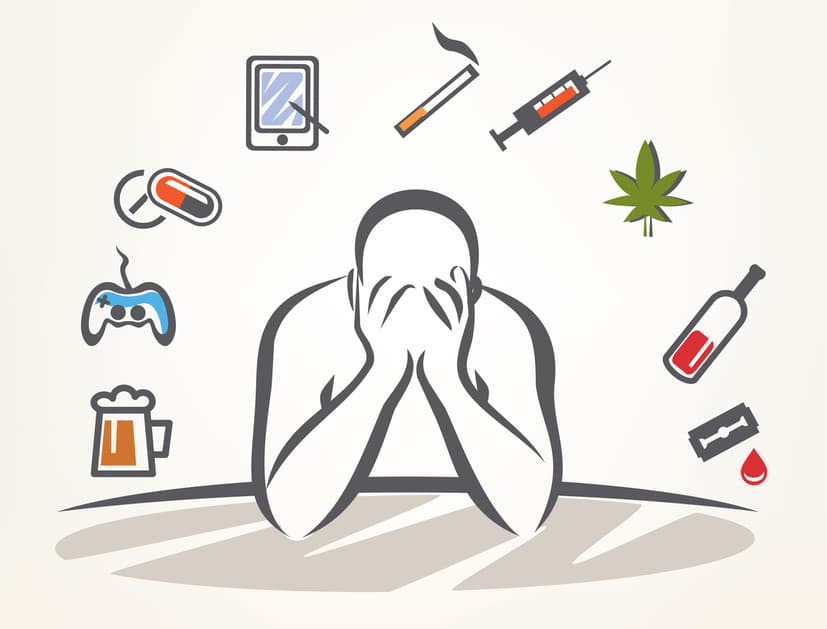
Chapter 6: Addiction and Drug Abuse – Addiction is a complicated illness based on dependence on a substance and/or a behavior, despite the ongoing negative consequences.


At the very beginning of the chapter, the definition of addiction was clearly presented as follows:

 “Addiction is a persistent, compulsive dependence on a behavior or substance, despite ongoing negative consequences. Some researchers speak of two types of addictions: substance addictions (e.g. alcoholism, drug abuse, and smoking) and process addictions(e.g. gambling, shopping, gaming, eating, and sex). Regardless of the addictive behavior, the person experiencing it usually feels a sense of pleasure or control that is beyond the addict’s power to achieve in other ways. Eventually, the addicted person needs to do the behavior to feel normal.”

I found this to be really important because many people misunderstand this disease and blame the person who is struggling. 

Meanwhile, trying to tie this topic in with my goal of eating cleanly and low on the food chain, well, I would have to refer to a quote from Russell Brand’s book, Recovery, “Even as a junkie I stayed true [to vegetarianism] – ‘I shall have heroin, but I shan’t have a hamburger.” More seriously though, there is some emergent research connecting plant-based diets to sustained recovery and reduction of symptoms related to to addiction. Unfortunately, for the time being most of this research is from dot-coms and fringe groups. I will wait for Scientific American to write this up before I  feel much confidence about this potential connection.

Addiction is often misunderstood. I hear people say things that are not helpful: “Why doesn’t she just not drink?” or “Well, it’s his own fault!” Yet, we know that addiction is complicated and has a distinct biological component. “The most effective treatment today is based on the biopsychosocial model of addiction, which proposes that addiction is caused not by a single influence but by multiple biological, psychological, social, and environmental factors operating in complex interaction.” In fact studies of twins clearly indicate a genetic basis for addiction to alcohol. So people may as well ask, “Why does she have brown eyes?” and “Why can’t he just stop being tall?”


As a reminder: There are 5 symptoms that accompanied with addiction

  1. Compulsion is where the primary focus on the substance or behavior takes over and diminishes focus on important relationships and self-growth. 

2. Loss of control is where the bottle, drug or behavior takes the wheel; sometimes literally. Things get bad; cars crash, relationships break, health plummets… 

3. Negative consequences may be too many to name but physical damage, financial problems, academic failure, and family dissolution are typical. These results from grimy behaviors that you would most likely avoid if you had a healthy involvement with a substance, rather than a dependency or addiction.

3. Denial is probably the most critical part of addiction to overcome because until you recognize the problem, you will not seek help. 


5. An inability to abstain is a real challenge for many people. I believe there are many inter-related reasons for this; genetics, psychological, social, and cultural.

Addiction evolves over time, typically beginning when a person repeatedly seeks the illusion of relief to avoid unpleasant feelings or situations, AKA nurturing through avoidance. As a person becomes increasingly dependent on the addictive behavior, relationships with family, friends, and coworkers deteriorate, as does performance at work or school and the person’s personal life.

Family and friends of an addicted person often struggle with co-dependence. Codependents find it hard to set healthy boundaries and often live in a false the result being that they actually help or support the addiction. Family and friends can also become enablers, knowingly or unknowingly protecting addicts from the consequences of their behavior. Both addicts and those around them must learn to see how addicts’ behavior affects others and work to establish healthier relationships and boundaries.

I think it is important to look at the the treatment options, but first I want to premise this by a sobering (pun intended) fact from the book, “Treatment and recovery for any addiction generally begin with abstinence, that is, refraining from the addictive behavior. For people addicted to behaviors such as work and sex, abstinence means restoring balance to their lives through noncompulsive engagement in the behaviors. An estimated 20.8 million Americans aged 12 and older needed treatment for a substance use disorder in 2015.116117 Only 2.2 million of these individuals (10.4 percent) received treatment.117 ” So, thinking about the math here 2 important things come to my mind:

  1. If you are struggling with these issues, you are NOT alone.
  2. Only about 10% of Americans get treated for this disorder. I would like to see that change! 

Suggestion: Take the First Step – Alcoholics Anonymous or the 12-step program (AA), has become the preferred approach to dealing with addictive or dysfunctional behaviors. More than 200 recovery programs are based on the program, including Narcotics Anonymous and Gamblers Anonymous. The 12-step program is based on the idea that its purpose is to work on personal recovery rooted in strong interpersonal relationships as opposed to wallowing in networks of codependency. Working the 12 steps involves admitting to having a problem, recognizing there is an outside power that could help, consciously relying on that power, admitting and listing character defects, apologizing to those one has harmed, and helping others with similar issues.

In conclusion, these free meetings, held at a variety of times and locations, are open to anyone who wishes to attend, and personally have brought me comfort and a sense of belonging. Within this very supportive network, I get to work on my habits and mental health by being honest with myself and others, which is antithetical to where I was before. Each day is a gift. 


Making healthy changes in order to reduce stress

How to manage stress and why your mindset matters.

I am a chronic over thinker. I once asked my therapist what I should do about this, and he responded simply with “don’t”. So of course, I thought about that for a while.

My issue with stress is that I tend ignore it and let it stack up rather than use it as a motivation to rid myself of the root of my stressors. Here are some steps I try to take in order to get the ball rolling in the RIGHT direction.

See it: Ignoring stress yields more stress because you can not fix something until you see that it is broken. Try reflecting on the stress and the reactions it invokes.

Questions like, “Is your reaction to the issue making the situation better or worse? What changes can you make to manage the stress?” Most importantly, “What’s can you learn/gain from this stress?”

Use it: Stress is designed to metaphorically grease your body’s gears by priming the fight vs flight responses, so  why not use your stress response as leverage. If the stress is giving you energy, motivation, or a sense of urgency, how can you use it efficiently?

If stress is working the other way, and keeping you in a funk, then you might consider what other things you can accomplish in order to get into the correct head space. This can range from making your bed, going on a run, working on some music, or cooking up something crazy. Once that task is done and you feel confident in your abilities, you usually have more energy to rid yourself of SEEMINGLY overbearing stressors. Using your gifts and talents to relieve stress keeps the stress from growing and getting a life of its own

In conclusion,

Let your money make money, don’t let your stress make stress

Making healthy changes in order to reduce stress

How to manage stress and why your mindset matters.

I am a chronic over thinker. I once asked my therapist what I should do about this, and he responded simply with “don’t”. So of course, I thought about that for a while.

My issue with stress is that I tend ignore it and let it stack up rather than use it as a motivation to rid myself of the root of my stressors. Here are some steps I try to take in order to get the ball rolling in the RIGHT direction.

See it: Ignoring stress yields more stress because you can not fix something until you see that it is broken. Try reflecting on the stress and the reactions it invokes.

Questions like, “Is your reaction to the issue making the situation better or worse? What changes can you make to manage the stress?” Most importantly, “What’s can you learn/gain from this stress?”

Use it: Stress is designed to metaphorically grease your body’s gears by priming the fight vs flight responses, so  why not use your stress response as leverage. If the stress is giving you energy, motivation, or a sense of urgency, how can you use it efficiently?

If stress is working the other way, and keeping you in a funk, then you might consider what other things you can accomplish in order to get into the correct head space. This can range from making your bed, going on a run, working on some music, or cooking up something crazy. Once that task is done and you feel confident in your abilities, you usually have more energy to rid yourself of SEEMINGLY overbearing stressors. Using your gifts and talents to relieve stress keeps the stress from growing and getting a life of its own

In conclusion,

Let your money make money, don’t let your stress make stress

Max’s Health and Wellness intro

I am a rising senior at Bridgewater State University, majoring in history. I  believe people enjoy history most when they experience it through personal stories and critical analysis. To fully recognize how the past influences the present local, national, and global conditions, and in order to become fully engaged citizens of their own era, it is of critical importance that people become better able to discern the complexities of historic events, civilizations, and movements while recognizing that race, religion, politics, science and technology, economics, and culture are distinct but interdependent strands from which our collective history is woven. Over the summer, I hope to find work in a local museum so that I can inspire people to access historical content and bring history alive for the public.

I engage well with people from many cultures and have been fortunate enough to live in an international student dormitory, study in China, and travel to many other cities and a few other countries. During every excursion, I make it a point to find and partake in historical tours to deepen my connection to the people and the place. I just completed intern at the Battleship Cove in Fall River where I catalogued uniforms and shared the soldiers’ stories with visitors. This was a tremendous experience.

So why I am I taking a health and wellness class? Obviously, I need the credits, but I really do have an interest in this area. I love to eat, and subsequently, I am a damn good cook. Although, I do not follow recipes, I do follow to the principals of Italian cooking or as the saying goes, “I do not measure. I just pour, shake, or squeeze until the spirits of my ancestors tell me to stop. My next culinary goal for this summer is to make some boujee homemade L’orange duck ravioli with a Grande Marnier and coriander cream sauce.

Meanwhile, I believe the connection between what we eat and how we produce that food effects our own bodies and the environment which hopefully sustains us. This is why my goal for the class is to eat more organic, plant-based meals and more sustainably raised meat and fish. My measurable goal is to eat at least one plant-based meal per day. This is going to be difficult for two reasons:

1. The ravioli mentioned above,

and

2. The new Trinidadian BBQ spot with the 12-hour smoked ribs that are that Loouuuudddddd!!!.

I know some people are skeptical about changing their diets, and I don’t think it will be easy to do. However, I do feel that we have evolved as omnivorous beings: so i dont believe that we need to enforce universal veganism or any of that nonsense. Even moderate changes in our diet may be mutually beneficial to our bodies and our planet. Therefore, my goal allows me to play a small part in what I hope is a healthy shift in the way we consume because historically, the lack of sustainable agriculture and agribuisness has led to species depletion, polluted watersheds through farm run-off, interrupted food chains (See Rachel Carson’s work on DDT), and international political instability as seen in Central America. So, what we eat really does matters.