Chapter 7: Alcohol and Tobacco
In a study done by the FDA researchers, they found moderate drinking yielded reduced risk of coronary artery disease, most likely as a result of an increase in high-density lipoproteins (HDLs), or “good” cholesterol. However, alcohol consumption causes many more cardiovascular health hazards than benefits, contributing to high blood pressure and slightly increased heart rate and cardiac output. I find this interesting as in relation to my health goal of eating more vegetarian and organic foods because buying organically grown beer (such as Lagunitas) and/or wine (El bero) may help with cardiovascular health as well as reducing the bio-accumulation of pesticides and hormones. In a study conducted in China, the researchers found that moderate drinking slightly raised the risk of stroke and high blood pressure, with reduced risk of coronary artery disease, most likely as a result of an increase in high-density lipoproteins (HDLs), or “good” cholesterol. However, alcohol consumption causes many more cardiovascular health hazards than benefits, contributing to high blood pressure and slightly increased heart rate and cardiac output. So if you are going to drink for your cardiac health, be wary of how your drinks are produced as well as your consumption levels.
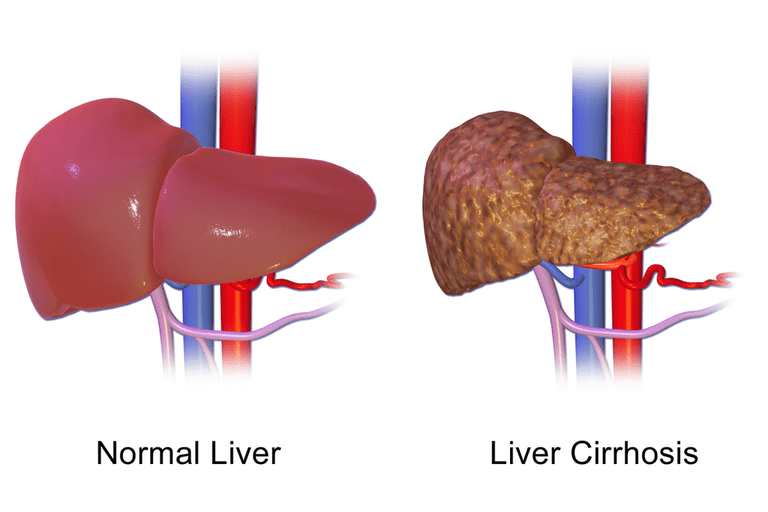
One of the most common diseases related to alcohol abuse is cirrhosis of the liver. With heavy drinking, the liver begins to store fat which makes the fat-filled hepatocytes or liver cells stop functioning. The book states, “Continued drinking can cause fibrosis, in which the liver develops fibrous scar tissue. If the person continues to drink, cirrhosis results—the liver cells die, and the damage becomes permanent.” I would not be surprised if it becomes a prevalent health issue in the future for our generation that tends to bond with binge-drinking, or just purely from *4LOKO consumption.
*Contains high levels of caffeine and alcohol
The book states, “Approximately 40 percent of all college students engage in binge drinking, consuming five or more drinks (men) or four or more drinks (women) in about 2 hours.” Drinking in excess can reroute you from a good time to a state of extreme intoxication, unconsciousness, alcohol poisoning, and in the worse case, death. I mean how many times have you seen some freshman get med-evacuated out of Shea-Durgin. Honestly when I was on campus I felt like the only time people reached out to spend time with me was to drink in excess. At the time this seemed like a quality bonding experience but most of these so-called bonds were hollower than the bottles we ran through, simply revolving around substances rather than actual substantial relationship.
People over-drink for many different reasons. Some equate their new-found independence from their parents with alcohol use. Others find solace in drinking together, and some simply drink to get drunk. As some one who is primarily introverted, I tended to drink as a way of coping with social stress and anxiety, but it evolved to where I was just drinking out of boredom.
How To Cut Down On Your Drinking
If you suspect that you drink too much, talk with a counselor or clinician at your student health center. THIS IS NOT EASY! As a bull-nosed and stubborn double Taurus, the absolute last thing I wanted to do was admit I needed help. Health professionals can tell you whether you should cut down or abstain completely. However its up to you to actually listen and follow through.
If you need to cut down on your drinking, these steps outlined in the text can help:
- “Write your reasons for cutting down or stopping.” There are many reasons you may want to cut down or stop drinking. You might want to improve your health, sleep better, or get along better with your family or friends. Personally I felt like my time, energy, and dollars were better spent outside of greasy basements getting wasted with other drunks.
- “Keep little or no alcohol at home.” When I initially started to avoid/cutoff dead-end relationships, I figured my dependence would decline, but instead I would just isolate myself and drink and or drug alone.
- “Drink slowly.” If and when you drink, pace your self. Bring some water with you and be conscious of your level intoxication. This is easier said then done especially because at certain levels of intoxication, a double shot of Resposado tequila goes down like water.
- “Learn how to say no.” You do not have to drink when other people are drinking and stay away from people who chirp you about not drinking.
- “Stay active.” Use the time and money you once spent on drinking and spend it with your family or friends. Go out to eat, see a movie or a concert, join a band or go on vacation.
- “Get support.” Trust me, cutting down is tough. Asking for support from your family and friends to help you reach your goal is hard but rewarding. Don’t be afraid to talk to your counselor if you continue having trouble cutting down.
- “Remember, don’t give up!” Most people don’t cut down or give up drinking all at once. As with a diet, it is not easy to change. If you don’t reach your goal the first time, it’s OKAY. Remember why you are making the change and why you want to avoid falling back into the hole from which you just climbed out.
Chapter 8 Nutrition
The Book recommends, “9 cups of total water from all beverages and foods each day and an average of 13 cups for men.” I always considered that 8 was enough but now I recognize the need to increase my input. However, I do consume a lot of fruit and vegetables and those consist of 80 to 95 percent water so that might make up some loss ground.
The book states, “Common reasons for pursuing a vegetarian lifestyle include concern for animal welfare, the environmental costs of meat production, food safety, personal health, weight loss, and weight maintenance.” This correlates with my health goal of consuming less meat-based meals in order to prevent the bio-accumulation of pesticides and hormones. Another reason I’m following through with this health goal is that people who follow a balanced vegetarian diet weigh less and have better cholesterol levels, fewer problems with constipation and diarrhea, and a lower risk of heart disease than do non vegetarians. However I am not perfect as I bodied more than my fair share of Mill City and Salvage barbecue this summer.
When my family and I cook at home, we work with a majority of organic foods. It costs more but its worth pinching some pennies in other budget areas in order to eat cleaner. The book states that, “Common reasons why people choose to buy organic foods include preferring the taste and wanting to limit exposure to pesticides and food additives. Some people purchase organic products because of environmental concerns, since organic farming limits pesticide use and takes other measures to reduce pollution.” This quote reinforces our decision to eat organic as a way to enhance our personal health as well as our environmental health.
Chapter 9 Weight management and body image.
Something I have always tried to work on was gaining weight. I have always had a super active metabolism and tend to exercise a fair amount. I eat a lot of clean protein such as rice and beans, almond butter and jam and responsibly farmed fish, as well as healthy fats from avocado or hummus but I hope to use more vegan foods to bulk up. The book recommends that “You may aim to gain as much as a pound per week, which would mean adding up to 500 calories a day to your diet. It is important that these calories be added in the form of energy-dense, nutritious choices from a variety of foods. “I believe I am doing well in my food choices but recognize the need to step it up.
Exercise is crucial for maintaining healthy weight. When you start working out the book recommends “slowly increase your time, speed, distance, or resistance levels and to vary your physical activity.” I practice this and find my most successful workouts occur when I start with low weights with high reps and phase into high weight with low reps. I also think it is crucial to have a rotating schedule and change up your workouts as your muscles regrow faster with different types of exercise than they do when you follow a strict unchanging schedule. Most importantly, you should find activities that you love. My personal preferences are hiking, boarding, kayaking, playing some pickup ball once a week or any outdoor sport.

The last thing I have to say about maintaining body weight revolves around the disconnect that exists between “the media’s idealized images and the typical American body.” As the media tries to sell you “SUPERALPHABEAR” Pre-workouts and proteins promising to get you JACKED IN A DAY or some Slimtea that will make you an “influencer” by Friday night. It is important to recognize that you are fine the way you are, and if you want to make a change to make sure its a healthy gradual one.
In conclusion,
The key to consumption or just about anything in life is moderation and balance.

 Max's summer health and wellness exposé