
Chapters 4, 5, and 6: Relationships and Sexuality, Reproductive Choices, Addiction and Drug Abuse.
Introduction
As a young adult, the topics in these three chapters are worthy of consideration in connection with my goal of eating more organic plant-based foods for 3 reasons:
- Pesticides and hormones bio-accumulate and bio-magnify as our diets move up the food chain (as pictured below) and can affect sexuality.
- The reproductive effects of pesticides were first illustrated in the 1950s by Rachel Carson, who would be posthumously awarded the Presidential Medal of Freedom by President Jimmy Carter, for her extensive research and findings on DDT and eagle egg viability. To me, her work is a cautionary tale regarding reproduction, which is best not to be ignored.
- The research on plant based diets and addiction are beginning to be illustrated but as of yet, are loosely and sparsely connected to effective treatments.
Chapter 4: Relationships and Sexuality
This is the part of the chapter that related the most to my goal for the class and which also made me think hard about how I would answer these questions. “How do you know whether you’re in a healthy relationship? Answering some basic questions can help you determine whether a relationship is working.
- Do you love and care for yourself to the same extent that you did before the relationship? Can you be yourself in the relationship? Do you feel that you are equals in the relationship?
- Do you share interests, values, and opinions? Is there mutual respect for, and civil discussion of, differences?
- Are there genuine caring and goodwill? Are there mutual encouragement and emotional support?
- Do you trust each other? Are you honest with each other? Can you comfortably express feelings, needs, and desires?
- Is there room for growth as you both evolve and mature?“
Observing healthy relationships, and learning what mistakes not to make by observing not-so-healthy relationships, I can see that these questions are important to consider when choosing a partner. Meanwhile, getting back to my goal, maintaining a normal and healthy balance of hormones is important for sexuality and therefore, relationships and for a couple, that means putting a lot of energy in to clean eating; maybe even growing and processing your own foods. You must have a shared sense of values to continue to accomplish these the daily activities and the price tags that go with clean eating. In addition, you must continue to recognize, what is good for each person may be very different. Some foods like soy and flax naturally contain high levels of estrogen, in the form of phytoestrogens. Furthermore, according to a Healthline.com article which was medically reviewed by Katherine Marengo, LDN, RD, cruciferous (leafy green) vegetables, mushrooms, red grapes, seed, whole grains, green tea, and pomegranates tend to depress estrogen production and increase testosterone in men. Also, estrogen, estrogen mimics, and estrogenic compounds are ubiquitous pollutants in our food and water, and are considered in detail below.
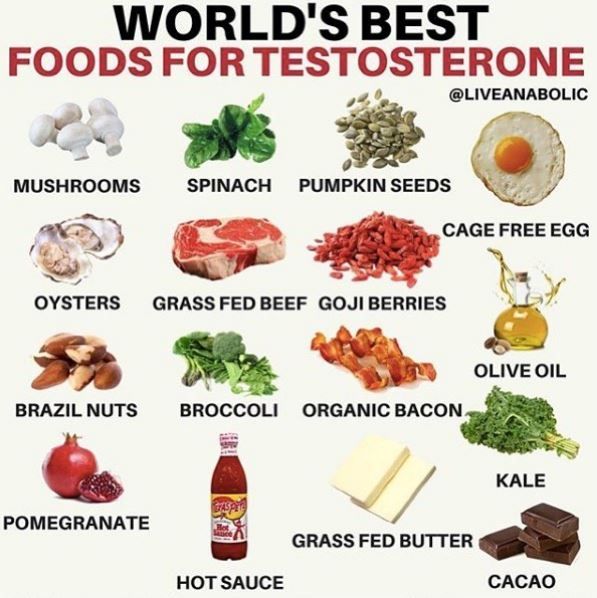
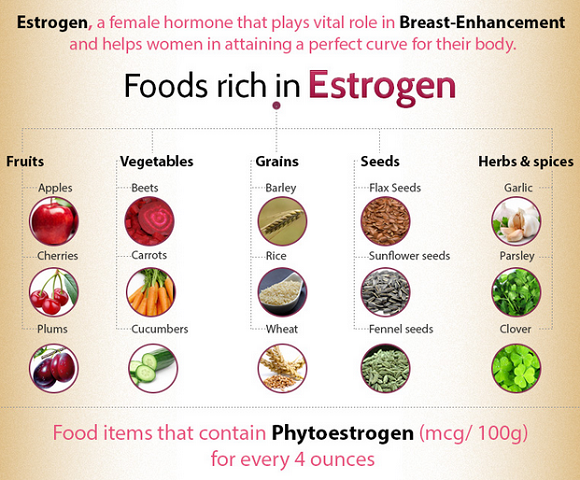
Wisely selecting and limiting estrogen or testosterone producing foods is likely to facilitate a healthy hormone balance. However, many of the foods readily available and much less expensive to purchase are somewhat paradoxically labeled at Whole Foods, “conventionally grown”. This means they are not certified as organic and more than likely were grown with the use of pesticides and hormones and watered without adequate filtration. To me this labeling system takes a very short view of the history of agriculture.
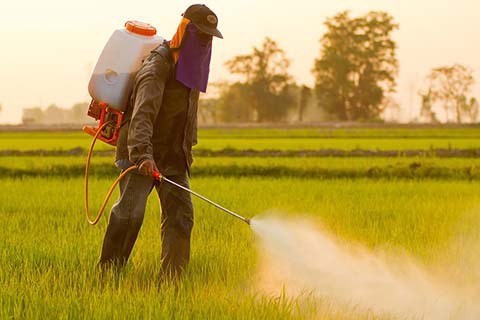
According to several sources including the National Institutes of Health and Scientific American many pesticides commonly used are known to be estrogenic; meaning that although they do not actually contain estrogens, they do artificially promote the production of the female hormone. This is important because we also know that according to a National Geographic report ethinyl estradiol, an environmental estrogen found in birth control pills has been detected in about 85 percent of male Small Mouth bass collected in national wildlife refuges in the Northeastern U.S. .

Not surprisingly, as reported on the ECOWATCH website, the U.S. Geological Survey (USGS) and U.S. Fish and Wildlife Service found “large-scale evidence of intersex in smallmouth and largemouth bass in the Northeast U.S., an indicator of endocrine disruption…{and} The study, published in the journal Ecotoxicology and Environmental Safety, looks at 19 U.S. National Wildlife Refuges and is the first reconnaissance survey of this scope. The study found that the prevalence of testicular oocytes across all samples was 85 percent and 27 percent for male small- and largemouth bass, respectively.” The report goes on to say that although the source of the estrogenic compounds may be hard to pinpoint because there are many sources (agriculture run-off, hormone therapies, herbicides, and pesticides) environmental pollutants that either are, mimic or promote production of sex hormones are the suspected culprits. Furthermore many non-malignant but problematic fibroid cysts as well as certain uterine and breast cancers are more active with increased estrogen levels.
5 suggested action items:
- Be diligent in identifying the impact what you eat and drink have on your personal ecosystem; E.g., your body.
- Consider and research different foods and how they are produced.
- Filter your water. I recommend a reverse osmosis system to remove pharmaceuticals and pesticides.
- Grow your own food and use compost for fertilizer.
- Invent an environmentally friendly way yo grow great tasting food for the entire population of the plant. This is kind of a big ask, eh?
Although much of this chapter was difficult to tie in to my goal, the idea of gender roles is still a worthwhile discussion point. As the text points out, “Throughout history, women and men have taken on various roles in relationships. Modern American society has very few gender-specific roles; many couples find that it makes more sense to divide tasks according to convenience and preference. Others still believe that there are women’s roles and men’s roles. Problems arise when couples do not share the same view. Regardless of what the perception of modern roles may be, facts show a different picture. While many women work as many hours outside the home as men, the division of labor at home is rarely equal. The Bureau of Labor Statistics estimates that on a typical day, 50 percent of women do household chores such as cleaning or laundry, where the same is true of only 22 percent of men; while 70 percent of women prepare food or clean up afterward, only 43 percent of men do those tasks.9 Over time, if couples can’t communicate about this, the relationship may suffer.” This is particularly interesting to me because last semester, while studying the history of Latin America and Gender, I realized how varied these roles are from one culture to another. In fact, one group in Latin America, the Oaxacans, actually has three gender distinctions; male, female, and muxe. A muxe person is assigned as male or female at birth but dresses or behaves in ways otherwise associated with the other binary gender. Muxe are viewed as a third gender and often did the work typically assigned to either or both binary roles regardless of their dress and affect.
The other thing that I thought was noteworthy from Chapter 4 was the reference to keeping it real when and if on-line dating becomes interesting to you. “When you join an online dating site or use social networks to meet others, it’s important to be honest about yourself and your background. State your own interests and characteristics fairly, including things that you think might be less attractive than stereotypes and cultural norms dictate. Show a recent photo of yourself; not a photoshop creation.” I have always been dis-heartened by the brag-show of social media. Everyone is always doing great things with great people (mostly eating and drinking), and it feels fake. I think the important thing to remember is that everyone is struggling with something, so be brave and share your struggles as well as your celebrations.
Chapter 5: Reproductive Choices
Disclaimer: Although, I am writing about the environmental effects of hormonal birth control methods a lot in this blog, I want to be very clear that I am NOT judging anyone’s choices. I am simply inquiring into how this connects to my goal of eating organic plant-based foods.
Meanwhile, as mentioned above, many of the foods we eat and the water we drink contain endocrine disrupting chemicals. The National Institute of Health report that the hormones and pesticides in the food chain are directly linked to early puberty, early menses, and obesity. One study reported a delaying effect of dioxin‐like compounds on breast development. In boys, exposure to PCBs, PCDFs or the pesticide endosulfan was associated with delayed puberty or decreased phallic length. Please note: Much of the results found in population studies are in legal accordance with experimental studies in animals.
All of these trends negatively impact reproductive choices by limiting fertility, decreasing the age at which a girl can become pregnant, and making pregnancy more risky. These trends create quite a conundrum. The ethinyl estradiol from birth control pills and the estrogenic compounds used in agriculture lead to a decrease in the age at which a girl becomes fertile. As having a baby is probably not a great plan for a 10-13 year-old, and with certain state governments limiting access to abortions even in cases of rape and incest, there will be increased unwanted child pregnancies. However, using birth control pills further exasperates the situation by adding more environmental estrogen pollution; furthering the vicious cycle.
The term hormonal contraception refers to birth control containing synthetic estrogen, progestin, or both. These ingredients are similar to the hormones estrogen and progesterone, which a woman’s ovaries produce naturally for the process of ovulation and the menstrual cycle. In recent years, hormonal contraception has become available in a variety of forms (transdermal, injection, and oral).
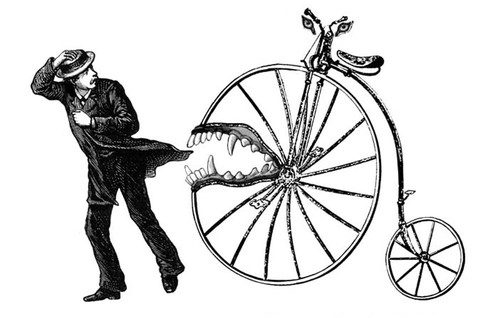
Meanwhile, another obvious choice are “Barrier methods of contraception {which} work on the principle of preventing sperm from reaching the egg by use of a physical or chemical barrier during intercourse. Some barrier methods prevent semen from having contact with the woman’s body; others prevent sperm from going past the cervix. In addition, many barrier methods contain, or are used in combination with, a substance that kills sperm.” This method comes with its own set of concerns. Barrier methods are not entirely fail-proof, and on a more serious note are almost never used during rape or incest.
In conclusion of the two related topics for Chapters 4 and 5, I don’t know the solution to the problem, and I don’t believe there are any easy answers. However, I whole heatedly believe we should use all the medical and scientific tools that we have at our disposal, such as developing new and less consequential birth control, which in turn should improve physical and mental health. Until we have the perfect answer, I believe communication is the best way to approach this topic with your partner, and I completely agree with what was presented in the text on this subject, “If you are afraid that talking about sex beforehand is going to make your partner think you don’t trust him or her, take some time to examine the strength of your relationship.” Furthermore, I think the most important things you and/or your partner can do are to become educated on sexual health and responsible practice, understand how food and water consumption can affect your reproductive health, communicate what type of future you envision and figure out how to make that plan a reality.
Chapter 6: Addiction and Drug Abuse – Addiction is a complicated illness based on dependence on a substance and/or a behavior, despite the ongoing negative consequences.
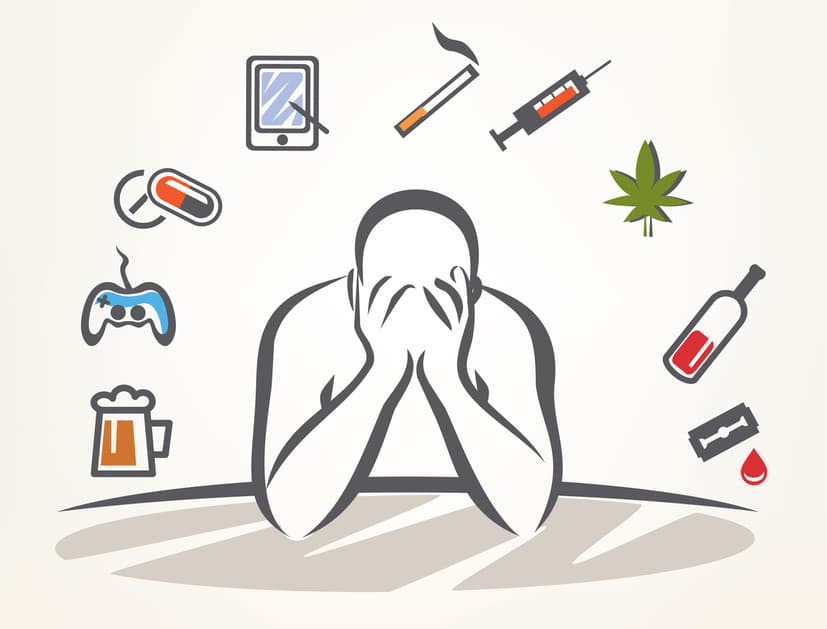
At the very beginning of the chapter, the definition of addiction was clearly presented as follows:
“Addiction is a persistent, compulsive dependence on a behavior or substance, despite ongoing negative consequences. Some researchers speak of two types of addictions: substance addictions (e.g. alcoholism, drug abuse, and smoking) and process addictions(e.g. gambling, shopping, gaming, eating, and sex). Regardless of the addictive behavior, the person experiencing it usually feels a sense of pleasure or control that is beyond the addict’s power to achieve in other ways. Eventually, the addicted person needs to do the behavior to feel normal.”
I found this to be really important because many people misunderstand this disease and blame the person who is struggling.
Meanwhile, trying to tie this topic in with my goal of eating cleanly and low on the food chain, well, I would have to refer to a quote from Russell Brand’s book, Recovery, “Even as a junkie I stayed true [to vegetarianism] – ‘I shall have heroin, but I shan’t have a hamburger.” More seriously though, there is some emergent research connecting plant-based diets to sustained recovery and reduction of symptoms related to to addiction. Unfortunately, for the time being most of this research is from dot-coms and fringe groups. I will wait for Scientific American to write this up before I feel much confidence about this potential connection.
Addiction is often misunderstood. I hear people say things that are not helpful: “Why doesn’t she just not drink?” or “Well, it’s his own fault!” Yet, we know that addiction is complicated and has a distinct biological component. “The most effective treatment today is based on the biopsychosocial model of addiction, which proposes that addiction is caused not by a single influence but by multiple biological, psychological, social, and environmental factors operating in complex interaction.” In fact studies of twins clearly indicate a genetic basis for addiction to alcohol. So people may as well ask, “Why does she have brown eyes?” and “Why can’t he just stop being tall?”
As a reminder: There are 5 symptoms that accompanied with addiction

- Compulsion is where the primary focus on the substance or behavior takes over and diminishes focus on important relationships and self-growth.

2. Loss of control is where the bottle, drug or behavior takes the wheel; sometimes literally. Things get bad; cars crash, relationships break, health plummets…

3. Negative consequences may be too many to name but physical damage, financial problems, academic failure, and family dissolution are typical. These results from grimy behaviors that you would most likely avoid if you had a healthy involvement with a substance, rather than a dependency or addiction.

3. Denial is probably the most critical part of addiction to overcome because until you recognize the problem, you will not seek help.
5. An inability to abstain is a real challenge for many people. I believe there are many inter-related reasons for this; genetics, psychological, social, and cultural.
Addiction evolves over time, typically beginning when a person repeatedly seeks the illusion of relief to avoid unpleasant feelings or situations, AKA nurturing through avoidance. As a person becomes increasingly dependent on the addictive behavior, relationships with family, friends, and coworkers deteriorate, as does performance at work or school and the person’s personal life.
Family and friends of an addicted person often struggle with co-dependence. Codependents find it hard to set healthy boundaries and often live in a false the result being that they actually help or support the addiction. Family and friends can also become enablers, knowingly or unknowingly protecting addicts from the consequences of their behavior. Both addicts and those around them must learn to see how addicts’ behavior affects others and work to establish healthier relationships and boundaries.
I think it is important to look at the the treatment options, but first I want to premise this by a sobering (pun intended) fact from the book, “Treatment and recovery for any addiction generally begin with abstinence, that is, refraining from the addictive behavior. For people addicted to behaviors such as work and sex, abstinence means restoring balance to their lives through noncompulsive engagement in the behaviors. An estimated 20.8 million Americans aged 12 and older needed treatment for a substance use disorder in 2015.116, 117 Only 2.2 million of these individuals (10.4 percent) received treatment.117 ” So, thinking about the math here 2 important things come to my mind:
- If you are struggling with these issues, you are NOT alone.
- Only about 10% of Americans get treated for this disorder. I would like to see that change!
Suggestion: Take the First Step – Alcoholics Anonymous or the 12-step program (AA), has become the preferred approach to dealing with addictive or dysfunctional behaviors. More than 200 recovery programs are based on the program, including Narcotics Anonymous and Gamblers Anonymous. The 12-step program is based on the idea that its purpose is to work on personal recovery rooted in strong interpersonal relationships as opposed to wallowing in networks of codependency. Working the 12 steps involves admitting to having a problem, recognizing there is an outside power that could help, consciously relying on that power, admitting and listing character defects, apologizing to those one has harmed, and helping others with similar issues.
In conclusion, these free meetings, held at a variety of times and locations, are open to anyone who wishes to attend, and personally have brought me comfort and a sense of belonging. Within this very supportive network, I get to work on my habits and mental health by being honest with myself and others, which is antithetical to where I was before. Each day is a gift.

 Max's summer health and wellness exposé